
Types of Big Rig Accidents: What You Need to Know
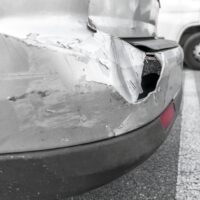
Big rigs can weigh up to 80,000 pounds, and when something goes wrong, the results are often catastrophic. Nationally, large trucks were involved in over 114,000 injury crashes in 2023. These accidents happen in specific ways, and understanding the type of crash you were in matters for your case.
A Riverside truck accident attorney at the Knez Law Group, LLP, will help you after getting into a big rig accident. Our law firm has helped California truck accident victims get the help they need after a serious collision. We know what steps to take, so call our law firm today at (951) 742-7681.
Jackknife Accidents
A jackknife occurs when a truck’s trailer swings out to form a 90-degree angle with the cab, creating an L- or V-shaped configuration. This typically happens when the truck driver brakes too hard or loses control on slippery roads. The trailer’s momentum keeps it moving even when the cab slows down.
These crashes are extremely dangerous because the trailer can sweep across multiple lanes of traffic. Other vehicles have almost no time to react. Brake problems are a significant factor in large truck crashes nationwide, with one key FMCSA study finding them present in nearly 30% of collisions. In California’s wet winter months, jackknife accidents spike on highways like the I-5 and Highway 99.
Causes include brake failure, speeding, improper braking technique, and poor road conditions. If a truck driver wasn’t properly trained or the trucking company failed to maintain the brakes, they can be held responsible.
Underride Accidents
An underride crash happens when a smaller vehicle slides underneath a truck’s trailer. These are some of the deadliest truck accidents because the top of the passenger vehicle gets sheared off, often at windshield level.
There are two types: rear underride (when a car hits the back of a trailer) and side underride (when a car hits the side of a trailer). Many trucks lack adequate underride guards, or the guards they have don’t meet safety standards. California has seen numerous fatal underride accidents on highways during low visibility conditions or when trucks stop suddenly.
Trucking companies have a responsibility to equip trailers with proper underride protection. When they don’t, and someone dies or suffers severe injuries, the company can face significant liability.
Rollover Accidents
Truck rollovers occur when a big rig tips onto its side or roof. These accidents often happen during turns, especially on freeway ramps or curves. FMCSA data consistently shows that driving too fast for conditions and speeding are the leading factors contributing to truck rollovers.
Common causes of rollover accidents include:
- Taking curves or ramps too fast
- Improperly loaded or unsecured cargo
- Top-heavy loads that shift during transport
- Driver fatigue affecting judgment
- Tire blowouts
California’s winding mountain highways, such as the Grapevine on I-5, are prone to rollover accidents. When a truck rolls over, it can crush nearby vehicles and spill cargo or hazardous materials across the roadway. If cargo wasn’t properly secured or the driver was going too fast, multiple parties might share blame.
Rear-End Collisions
When a big rig rear-ends another vehicle, the size and weight difference makes these crashes devastating. A fully loaded truck needs about 40% more distance to stop than a passenger car. In stop-and-go California traffic on highways like the I-405 or I-10, rear-end truck crashes happen regularly.
Driver distraction, fatigue, and following too closely are the main causes. Federal law requires truck drivers to keep detailed logs of their driving hours, but some drivers or companies falsify these records to meet delivery deadlines. When a truck driver was over their legal driving hours and rear-ends someone, that violation strengthens your case.
Wide Turn Accidents (Squeeze Accidents)
Large trucks need extra room to make right turns. They often swing left first before turning right, creating a dangerous gap. Passenger vehicles sometimes try to pass on the right side, not realizing the truck is about to turn. The result is the car getting crushed between the truck and the curb or another object.
These “squeeze play” accidents are common at intersections in busy California cities like Los Angeles, San Francisco, and San Diego. The truck driver has significant blind spots and may not see a car in the squeeze zone. However, truck drivers are trained to check these blind spots and take turns carefully.
CHP data shows that turning accidents involving commercial vehicles frequently result in serious injuries. If you were hit during a truck’s turn, the driver may have failed to signal properly, check blind spots, or take the turn at a safe speed.
Blind Spot Accidents
Commercial trucks have massive blind spots called “no zones” on all four sides. The largest blind spots are directly behind the truck and along the right side. Even with mirrors, truck drivers can’t see everything. When drivers change lanes or merge without properly checking these areas, they can sideswipe or collide with vehicles they never saw.
The FMCSA requires truck drivers to be specially trained and licensed because of these visibility challenges. That training includes techniques for checking blind spots and avoiding accidents. When a truck driver causes a blind spot crash, their training and actions before the crash become critical evidence.
Head-On Collisions
Head-on crashes between big rigs and passenger vehicles are almost always fatal for the people in the smaller vehicle. These accidents happen when a truck crosses the center line into oncoming traffic. Causes include driver fatigue, distraction, medical emergencies, or impairment.
California’s two-lane highways, particularly in rural areas, see some of the state’s deadliest head-on truck crashes. The NHTSA reports that large truck drivers are less likely to be impaired than passenger car drivers, but when they are, the consequences are extreme.
Call Our Riverside Truck Accident Lawyers Today
The type of accident you were in affects what evidence matters and who might be responsible. Trucking companies and their insurers will investigate immediately. You need a Riverside truck accident lawyer on your side who can build a strong case for you, too.
Contact Knez Law Group, LLP today at (951) 742-7681 for a free consultation. You didn’t cause this accident. The truck driver, trucking company, or maintenance provider likely did. Get someone on your side who knows how to prove it.

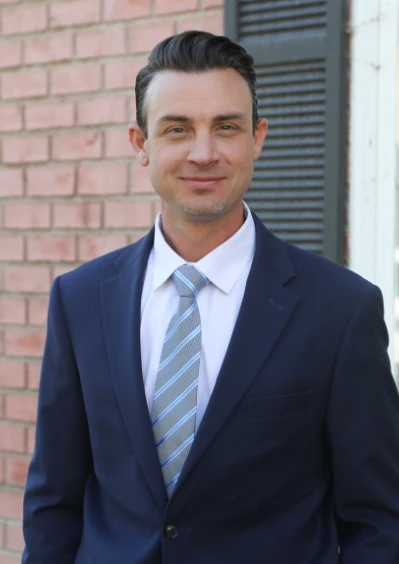
Andrew J. Knez earned his Bachelor of Arts degrees in Political Science and Criminal Justice from California State University, Fullerton. During his college years, he was a member of the Pi Kappa Phi Fraternity and interned at the College Legal Clinic, where he assisted underprivileged communities in obtaining affordable legal services. Mr. Knez credits this experience with fostering his appreciation for the law and its positive impact on society. Additionally, during college, Mr. Knez worked as a paralegal, gaining hands-on experience in civil litigation. Learn more here.